Digital links

As the top digital marketing agency in UAE, we make your business stand above the rest and achieve amazing results. Our team of professionals are experienced and have proven reliable to our team. 

 
Hours: Mon-Fri: 9.00am - 05.00pm

As the top digital marketing agency in UAE, we make your business stand above the rest and achieve amazing results. Our team of professionals are experienced and have proven reliable to our team. 

 
Hours: Mon-Fri: 9.00am - 05.00pm
Erp for restaurant

How ERP Integration Consulting Helped a UAE Restaurant Group Streamline Multi-Branch Operations

Managing multiple restaurant locations requires effective coordination between inventory, procurement, finance, sales, and staff management. Delivering a consistent experience across branches gets more complex with the growth of restaurant groups. As restaurant groups expand, disconnected systems can make maintaining consistency across branches more difficult.

A UAE-based restaurant group operating multiple outlets was facing operational inefficiencies due to disconnected systems and limited visibility across locations. As the business expanded, management began to struggle with effectively tracking the business, controlling inventory, and ensuring business operations were consistent.

To overcome these challenges, the company joined hands with ERP Consultant to provide professional ERP integration consultancy services for a streamlined, connected operational environment.

The Initial Business Environment

The restaurant chain had managed to establish itself in various restaurants. However, each branch had different systems and processes for carrying out day-to-day activities. 

There were a few functions of operations that were done separately, and it was difficult to get a clear view of the business performance.

The organization relied on:

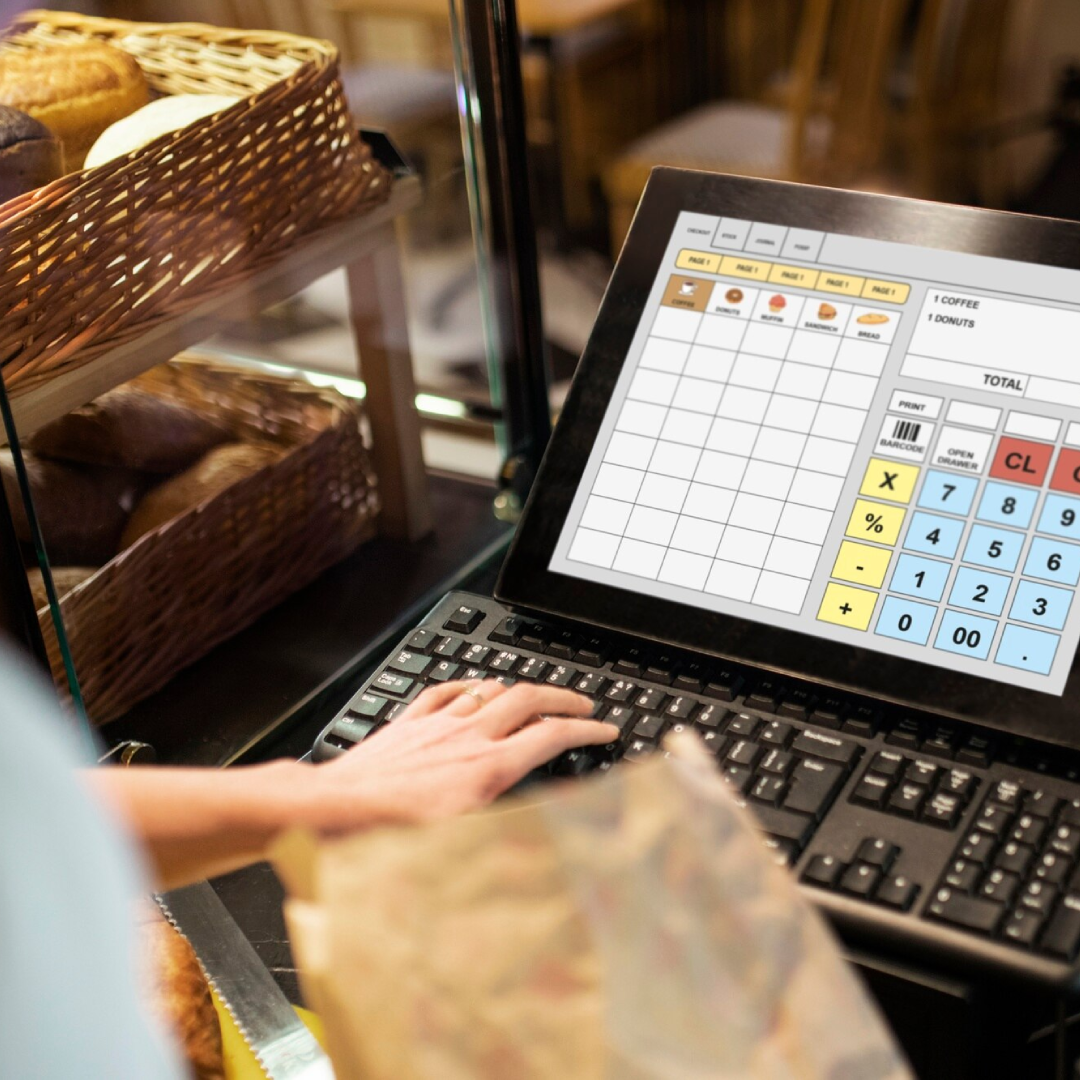
  • Separate POS and inventory systems.
  • Manual procurement coordination
  • Delayed branch-level reporting
  • Inconsistent stock tracking
  • Limited centralized operational visibility
  • Multiple data sources across departments
  • Manual consolidation of operational information
  • As the number of outlets increased, these challenges became increasingly difficult to manage.
restaurant erp setup
Restaurant operation challenges

Core Operational Challenges Faced by the Restaurant Group

Multiple restaurant sites need to have real-time information and communicate effectively between the two locations/headquarters.

The restaurant group faced many operational challenges that affected their operational efficiency and decision making.

Stock levels were not consistently maintained at the different locations and this made it difficult to keep stocks accurate. Inventory updates were often delayed because information had to be collected from multiple branches. This sometimes led to stock shortages or over-ordering, or inconsistent inventory management.

Procurement Coordination Challenges

The procurement team had limited visibility into branch-level requirements.

Purchase requests were frequently processed manually which made it difficult to combine requests for different locations and optimize purchasing activities throughout all locations.

Information had to be gathered from a number of systems to create operational and financial reports.

This workflow wasted precious time and prevented management from understanding performance and making swift decisions to meet business requirements.

Management lacked a centralized view of day-to-day operations across the outlets.

It took a lot of manual time to compare branch performance, track inventory trends, and measure operational metrics.

Staff scheduling, attendance tracking, and workforce reporting systems were handled through separate processes, limiting overall operational efficiency.

Business Risks Before ERP Transformation

With no common platform in place, the restaurant chain experienced a number of business risks.

Inaccurate inventory information could lead to stock shortages that affected customer service. Procurement inefficiencies increased purchasing costs and reduced operational agility.

Managers were unable to make timely business decisions as there was no real-time reporting. These issues may impact profitability, consistency and long-term growth as the organization continues to grow. The company required a single solution that would allow them to have a unified system in all the branches.

Business Risk Before Erp integration in Retaurant
How Erp Performed in Restaurant

How ERP Consultant Performed the ERP Integration Assessment

ERP Consultant started the engagement by conducting an in-depth examination of the existing processes. The consulting team collaborated with branch managers, procurement, finance, operations managers and senior leadership to gain a deep understanding of the way information flowed across the organisation. The assessment included determining system gaps, data silos, process inefficiencies, and opportunities for integration.

The review included:

  • POS operations
  • Inventory management processes
  • Procurement workflows
  • Financial reporting systems
  • Branch-level operations
  • Workforce management procedures
  • Data management practices
  • Approval workflows
  • Operational reporting requirements

This evaluation gave an insight into the integration requirements of an organization.

Erp Designed for Restaurant

ERP Integration Strategy Designed by ERP Consultant

ERP Consultant identified a need for a centralized integration strategy that would integrate all of the key operational systems, which was formed based on the assessment results. The goal was to ensure smooth data transfer between branches and headquarters and provide more visibility, reporting accuracy and operational efficiency.

An experienced ERP integration consultant, ERP Consultant created an ERP integration system that emphasized on:

  • Integrating the POS and inventory systems.
  • Centralizing procurement operations
  • Improving branch-level reporting
  • Enhancing inventory visibility
  • Automating data synchronization
  • Strengthening financial oversight
  • Enhancing Workforce Management visibility
  • Facilitating future expansion of businesses

The goal was to enable management to view operations from one place, while making sure that all locations are treated uniformly.

Step-by-Step ERP Customization & Implementation Process Step by Step ERP Integration Process

Step 1
Discovery and Process Analysis

The project started by conducting a detailed review of the workflow and systems used in operation.

01

Step 2
Integration Planning

The objective of the ERP integration framework was to integrate the existing systems without disrupting the existing workflows.

02

Step 3
System Configuration

The ERP modules were customised to support the restaurant group's operations and reporting requirements.

03

Step 4
Data Migration and Synchronization

Existing data was reviewed, validated, and prepared for integration into the centralized platform.

04

Step 5
Workflow Automation

Manual processes were automated to enhance efficiency and minimise repetitive work.

05
Step 6
Testing and Validation

The integrations were extensively tested to verify proper data flow and overall system performance.

06

Step 7
User Training

Training was provided for employees and management teams to ensure successful adoption across all locations.

07

Step 8
Go-Live and Support

ERP consultant provided implementation and ongoing guidance during deployment.

08


Operational Improvements Achieved After ERP Integration

After implementation, the restaurant group experienced a significant improvement in operational visibility and coordination.

Management was able to access business information from a single source in all branches, which led to quicker decision making and improved business oversight.

Inventory management became more consistent with the help of visibility and automated data-synchronisation. Procurement activities became more efficient, which helped the organization to control purchasing and reduce administrative workload.

Additional improvements included:

  • Better visibility throughout the branches
  • Improved speed of operational reports.
  • Better inventory control
  • Better coordination of procurement activities.
  • Better accuracy of financial reporting
  • Enhanced workforce management visibility
  • Lesser manual administrative tasks
  • Stronger Operational consistency across locations
  • The restaurant group had improved control over daily operations and a scalable ERP platform for future expansion through the integrated environment. With ERP Consultant providing business system integration consulting, the organization was able to integrate its business systems, make them more efficient to operate across multiple branches, and be more efficient overall.
Improvements after implement erp for restaurant